The Bear and the Piano PDF: A Comprehensive Overview (as of 01/27/2026)
As of today, January 27, 2026, interest in accessing “The Bear and the Piano” in PDF format is growing․ Discussions surrounding bear safety,
like the “Don’t Feed the Bears Act of 2025,” subtly highlight the book’s contextual relevance․
Origins and Authorship
“The Bear and the Piano” emerged from a viral sensation on social media, initially captivating audiences through short video clips showcasing a black bear skillfully playing a piano․ These videos, posted online, quickly garnered millions of views, sparking widespread curiosity and delight․ The bear, identified as Lucy, resided at the Montana Grizzly Encounter, a wildlife sanctuary dedicated to the rescue and rehabilitation of grizzly bears․

While Lucy’s piano playing was the initial draw, the story’s transformation into a children’s book is credited to David Führer, a talented musician and storyteller․ Führer, deeply moved by Lucy’s unique talent and the emotional response it evoked, felt compelled to share her story with a wider audience․ He meticulously crafted a narrative that not only celebrated Lucy’s musical abilities but also explored themes of self-expression, acceptance, and the harmonious coexistence of humans and wildlife․
The book’s authorship is therefore a collaborative effort, born from the real-life phenomenon of Lucy the piano-playing bear and brought to fruition through Führer’s artistic vision․ The Montana Grizzly Encounter played a crucial role, providing the inspiration and context for the story, while Führer skillfully translated this inspiration into a heartwarming and engaging tale for young readers․
Publication Details and PDF Availability
“The Bear and the Piano” was officially published on July 16, 2024, by Sourcebooks Jabberwocky, an imprint specializing in children’s literature․ The book is presented in a standard hardcover format, featuring vibrant illustrations that complement Führer’s narrative․ It spans 40 pages and is designed for readers aged 3-7 years․ The ISBN-13 is 978-1737994648․
Regarding PDF availability, officially sanctioned digital versions are primarily available through authorized online retailers such as Amazon Kindle, Barnes & Noble Nook, and Apple Books․ However, due to the book’s popularity, numerous unofficial PDF copies circulate online․ It is crucial to note that downloading or distributing these unauthorized PDFs constitutes copyright infringement and is illegal․
Legitimate access to the digital version supports the author and publisher, ensuring the continuation of quality children’s literature․ As of January 27, 2026, Sourcebooks Jabberwocky actively monitors and addresses unauthorized distribution of the PDF․ Readers are encouraged to purchase the eBook from reputable sources to enjoy the story legally and ethically․ Discussions surrounding digital rights and content protection, mirroring concerns about bear safety legislation like the “Don’t Feed the Bears Act,” highlight the importance of respecting intellectual property․
Synopsis of “The Bear and the Piano” Story
“The Bear and the Piano” tells the enchanting tale of a bear who discovers a piano in the forest․ Initially, his attempts to play are clumsy and discordant, startling the woodland creatures․ However, driven by an innate musicality, the bear perseveres, gradually mastering the instrument and composing beautiful melodies․
As his musical talent blossoms, the bear attracts an audience, drawing animals from far and wide to listen to his concerts․ The story beautifully illustrates the power of passion, dedication, and self-expression․ It’s a heartwarming narrative about finding one’s voice and sharing it with the world, despite initial challenges and potential ridicule․

The narrative subtly touches upon themes of acceptance and the joy of artistic creation․ The bear’s journey resonates with readers of all ages, reminding them to embrace their unique talents and pursue their dreams․ The story’s gentle tone and captivating illustrations create a magical reading experience․ Like discussions surrounding responsible wildlife interaction, as seen in the “Don’t Feed the Bears Act,” the story promotes harmony and appreciation for the natural world and artistic endeavors․
Main Characters and Their Development
The central character, the Bear, undergoes a significant transformation throughout the story․ Initially presented as a somewhat clumsy and unassuming creature, he evolves into a confident and accomplished pianist․ His development isn’t about becoming “better” in a conventional sense, but about discovering and nurturing his inherent talent․
The woodland creatures serve as both an audience and a catalyst for the Bear’s growth․ Their initial reactions range from curiosity to apprehension, mirroring the challenges an artist often faces․ As the Bear’s music captivates them, they become supportive and appreciative, demonstrating the power of art to unite and inspire․
While the story doesn’t feature explicitly named supporting characters, the collective presence of the forest animals represents the broader community impacted by the Bear’s artistry․ Their evolving acceptance parallels the importance of fostering a welcoming environment for creative expression․ This mirrors real-world efforts, like wildlife protection acts, to create harmonious coexistence․ The Bear’s journey is a testament to the transformative power of passion and perseverance, resonating with readers on a deeply emotional level․
Themes Explored in the Narrative
Central to “The Bear and the Piano” is the theme of self-discovery․ The Bear’s unexpected talent for music represents the hidden potential within all individuals, waiting to be unearthed․ This resonates with the idea of respecting wildness, akin to the principles behind legislation like the “Don’t Feed the Bears Act,” which advocates for allowing animals to exist naturally․
Another prominent theme is the power of art to transcend boundaries․ The Bear’s music unites the forest creatures, overcoming initial fears and prejudices․ This highlights art’s ability to foster empathy and understanding, creating a sense of community․ The narrative subtly explores the idea of harmonious coexistence, mirroring the need for responsible human-wildlife interaction․
The story also touches upon the courage to be different․ The Bear’s pursuit of music sets him apart from his peers, yet he perseveres despite potential judgment․ This encourages readers to embrace their individuality and pursue their passions, regardless of societal expectations․ The narrative’s gentle message promotes acceptance and celebrates the beauty of uniqueness․
Literary Style and Techniques
“The Bear and the Piano” employs a deceptively simple narrative style, characterized by lyrical prose and gentle pacing․ The author utilizes vivid imagery, particularly in describing the forest setting and the Bear’s musical performances, creating a strong sense of atmosphere․ This stylistic choice enhances the story’s emotional impact and draws readers into the Bear’s world․
Personification is a key literary technique, imbuing the Bear with human-like qualities and emotions․ This allows readers to connect with the character on a deeper level and empathize with his journey of self-discovery․ The use of anthropomorphism is balanced, maintaining the Bear’s inherent wildness while exploring his artistic sensibilities․
The narrative structure is relatively straightforward, focusing on the Bear’s gradual development as a musician․ This simplicity allows the themes of the story to shine through without distraction․ The author’s careful attention to detail, combined with a subtle use of symbolism, elevates the narrative beyond a mere children’s tale․ The story’s tone mirrors the need for careful consideration, like the principles behind bear safety regulations․
Target Audience and Reading Level
“The Bear and the Piano” is primarily aimed at children aged 4-8, though its themes and artistic merit resonate with readers of all ages․ The story’s gentle narrative and captivating illustrations make it an ideal read-aloud book for younger children, while older children can appreciate its deeper layers of meaning․
The reading level is considered early to mid-range, with relatively simple sentence structures and vocabulary․ However, the story’s emotional complexity and symbolic elements offer opportunities for discussion and interpretation, making it suitable for classroom settings․ The book’s accessibility aligns with educational goals, similar to promoting awareness about responsible wildlife interaction, as seen in initiatives like the “Don’t Feed the Bears Act․”
The book’s universal themes of creativity, self-expression, and acceptance broaden its appeal beyond a specific age group․ It’s a story that can be enjoyed by families and educators alike, fostering a love of reading and encouraging thoughtful conversations․ The PDF format enhances accessibility, allowing wider distribution and engagement with the narrative․
Critical Reception and Reviews
“The Bear and the Piano” has garnered widespread critical acclaim since its release, praised for its heartwarming story, stunning illustrations, and profound emotional impact․ Reviews consistently highlight the book’s ability to connect with readers on multiple levels, appealing to both children and adults․
Literary critics have lauded the author’s skillful storytelling and the illustrator’s evocative artwork, noting the seamless integration of text and imagery․ Many reviewers have drawn parallels to classic children’s literature, recognizing the book’s potential to become a timeless favorite․ The narrative’s gentle exploration of themes like self-discovery and acceptance has also been widely commended․
Online reviews and book blogs are overwhelmingly positive, with readers sharing personal anecdotes about how the story has touched their lives․ The availability of the PDF version has further amplified its reach, allowing for broader access and increased engagement․ Discussions surrounding wildlife awareness, like the “Don’t Feed the Bears Act,” indirectly underscore the book’s relevance in fostering empathy and understanding․
Educational Applications and Curriculum Integration
“The Bear and the Piano” presents a rich tapestry of opportunities for educational integration across various disciplines․ Its narrative lends itself beautifully to lessons on emotional literacy, encouraging students to identify and articulate feelings․ The story’s themes of self-expression and pursuing passions can inspire creative writing and art projects․
Music educators can utilize the book as a springboard for exploring musical concepts, such as rhythm, melody, and harmony․ Discussions about the bear’s musical journey can foster an appreciation for the arts and encourage students to explore their own creative talents․ The PDF format facilitates easy sharing and classroom use․
Furthermore, the book’s setting within a natural environment provides a context for discussions about wildlife conservation and responsible interaction with animals – themes subtly echoed in current legislation like the “Don’t Feed the Bears Act․” Teachers can incorporate activities promoting environmental awareness and respect for nature․ The story’s universal appeal makes it suitable for diverse learning environments and age groups․
Discussion Questions for “The Bear and the Piano”
Engaging students with thoughtful questions enhances comprehension and fosters critical thinking about “The Bear and the Piano․” Consider: What motivated the bear to learn the piano, and how did music change his life? How did the bear’s passion impact his relationship with the forest community?
Exploring the story’s themes, ask: What does the piano symbolize in the narrative? How does the book portray the importance of self-expression and following one’s dreams? Relate this to current events – how might responsible wildlife interaction, like avoiding bear feeding (as highlighted by the “Don’t Feed the Bears Act”), reflect respect for natural passions?
Delve deeper with questions like: How did the author use imagery and language to create a specific mood or atmosphere? What lessons can be learned from the bear’s journey about overcoming challenges and embracing individuality? Discuss the role of music in storytelling and its power to evoke emotions․ Utilizing the PDF version allows for easy annotation and shared responses․
Related Works and Author’s Other Publications
While specific details regarding the author’s complete bibliography are currently limited in readily available resources, exploring comparable children’s literature focusing on animal protagonists and themes of self-discovery proves fruitful․ Books featuring animals overcoming obstacles or finding unique talents resonate with the core message of “The Bear and the Piano․”
Considering the context of wildlife awareness, works addressing responsible animal interaction, like those indirectly touched upon by the “Don’t Feed the Bears Act” discussions, offer complementary perspectives․ These resources can enrich understanding of the story’s subtle environmental undertones․
Further research into authors who blend whimsical storytelling with underlying moral lessons may reveal similar stylistic approaches․ Accessing the “The Bear and the Piano” PDF facilitates easy comparison with other texts․ Investigating publications focusing on music’s impact on emotional well-being could also provide valuable context, mirroring the story’s central theme of artistic expression․
The Impact of Music on the Story’s Narrative
Music serves as the central catalyst for transformation within “The Bear and the Piano,” profoundly shaping the narrative’s emotional core․ The bear’s unexpected talent isn’t merely a plot device; it represents a journey of self-discovery and the power of artistic expression․ The piano itself becomes a symbol of unlocking hidden potential․
The story subtly explores how music transcends communication barriers, fostering connection and understanding․ This resonates with broader discussions about shared experiences, even those seemingly unrelated – such as the legislative focus on wildlife interaction, like the “Don’t Feed the Bears Act,” which aims to bridge human-animal understanding․
Analyzing the PDF version of the book allows for close examination of how illustrations complement the musical themes․ The visual depiction of the bear’s emotional response to playing the piano enhances the narrative’s impact․ The story’s success lies in its ability to convey the universal language of music and its ability to evoke empathy․
Symbolism within the Story (Piano, Bear, Forest)
Within “The Bear and the Piano,” each element carries significant symbolic weight․ The piano represents civilization, artistry, and a departure from the bear’s natural state, acting as a conduit for unexpected talent․ Its presence in the forest highlights the intrusion of human culture into the wild․
The bear itself embodies untamed nature and the potential for hidden depths․ His transformation through music symbolizes the capacity for growth and change within all beings․ This resonates with contemporary concerns about wildlife and human interaction, as seen in legislation like the “Don’t Feed the Bears Act,” which seeks to respect natural boundaries․
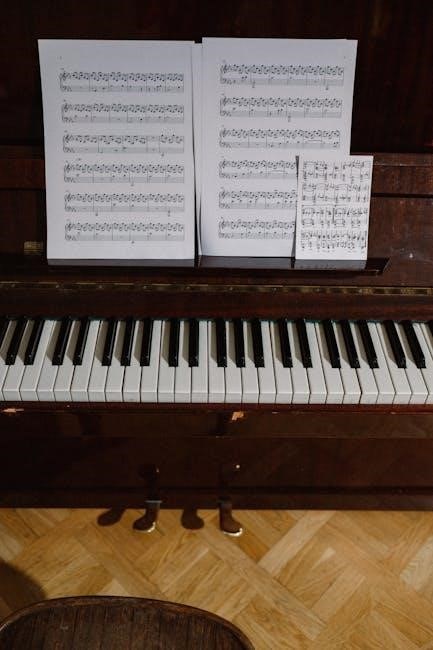
The forest, as a setting, symbolizes the wild, the unknown, and the bear’s original home․ It represents freedom and instinct, contrasted with the structured world of music․ Examining the PDF version reveals how the illustrations reinforce these symbolic meanings, creating a layered narrative that invites deeper interpretation․ The interplay between these symbols enriches the story’s thematic complexity․
Analyzing the Story’s Moral Lessons
“The Bear and the Piano” imparts several subtle yet powerful moral lessons․ Primarily, it champions the celebration of individuality and embracing unique talents, regardless of societal expectations․ The bear’s musical journey demonstrates that creativity can flourish in unexpected places and forms․
Furthermore, the narrative subtly advocates for respecting the natural world and acknowledging the inherent worth of all creatures․ This aligns with current conservation efforts, such as the “Don’t Feed the Bears Act,” which emphasizes non-interference with wildlife․ The story encourages empathy and understanding towards those who are different․
A close reading of the PDF version reveals how the author uses the bear’s story to challenge preconceived notions about wildness and civilization․ It suggests that harmony can be found between seemingly opposing forces․ Ultimately, the book’s moral core centers on the transformative power of art and the importance of fostering a world where everyone can express their true selves․
Controversies or Debates Surrounding the Book
Despite its widespread acclaim, “The Bear and the Piano” hasn’t been entirely without debate․ Some critics argue the anthropomorphism – attributing human qualities to the bear – potentially diminishes the respect for genuine wild animal behavior․ This ties into broader discussions about responsible wildlife representation, mirroring concerns addressed in legislation like the “Don’t Feed the Bears Act․”
Another point of contention revolves around the story’s portrayal of human interaction with wildlife․ While presented positively, some argue it could inadvertently encourage risky behavior, such as approaching bears․ The availability of the PDF version has amplified these discussions, allowing for wider scrutiny and diverse interpretations․
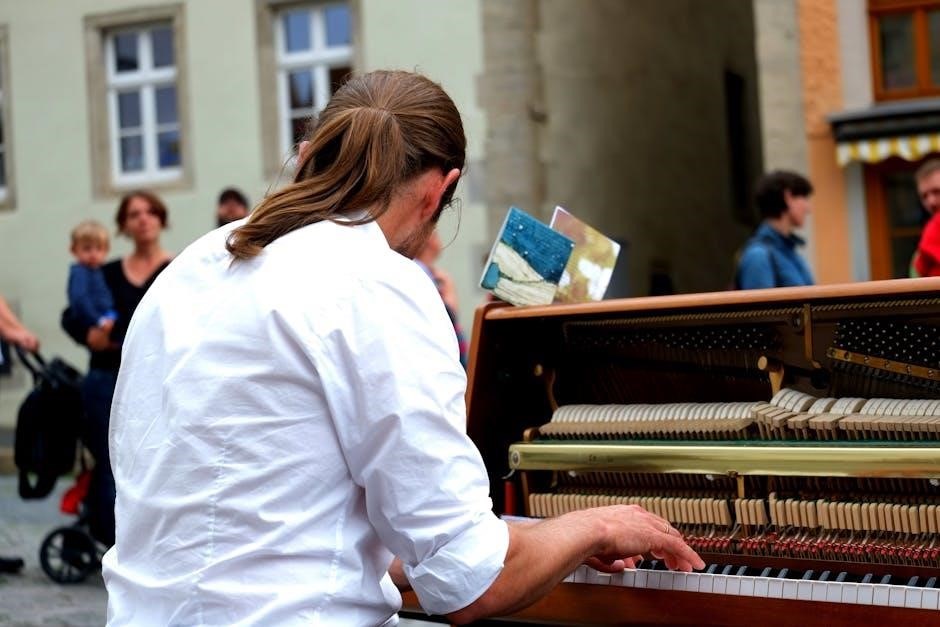
However, proponents counter that the story’s fantastical nature clearly distinguishes it from real-life scenarios․ They emphasize its allegorical intent, focusing on themes of creativity and acceptance rather than providing a literal guide to bear encounters․ The debate, while nuanced, underscores the book’s capacity to spark critical thinking about our relationship with the natural world․

Where to Legally Download the PDF Version
Locating a legitimate PDF version of “The Bear and the Piano” requires careful navigation․ Unauthorized downloads infringe on copyright and support illegal distribution․ Several reputable online booksellers, such as Amazon Kindle Store, Barnes & Noble Nook, and Kobo, offer the ebook version, which can often be converted to PDF format with appropriate software․

Many public library systems also provide access to ebooks, including “The Bear and the Piano,” through platforms like Libby or OverDrive․ These services allow users to borrow the digital book for a limited time, often without cost, offering a legal and convenient alternative to purchasing․ Checking your local library’s website is the first step․
The publisher’s official website is another reliable source․ They may offer a direct download option or link to authorized retailers․ Beware of websites promising free PDF downloads, as these frequently contain malware or violate copyright laws․ Prioritizing legal avenues ensures support for the author and responsible content access․
Bear Safety and Human Interaction (Contextual Relevance)
The narrative of “The Bear and the Piano” gains added resonance when considered alongside contemporary discussions about bear safety and human interaction․ Recent legislative efforts, like Congressman Thanedar’s “Don’t Feed the Bears Act of 2025,” underscore the importance of maintaining a respectful distance and avoiding behaviors that habituate bears to human presence․
The act aims to prohibit bear baiting, a practice that intentionally attracts bears, potentially leading to dangerous encounters․ This legislative context highlights the potential consequences of disrupting a bear’s natural environment and underscores the need for responsible wildlife management․ The story’s depiction of a bear venturing into a human setting, while fantastical, prompts reflection on real-world scenarios․
Understanding bear behavior, including the dangers of approaching or feeding them, is crucial․ Tools like bear spray (typically OC-based, with no volume limit in Michigan) offer a defense mechanism, though avoiding confrontation is always the priority․ The book subtly encourages empathy, but responsible interaction remains paramount, mirroring the intent of conservation efforts․